
Western District of Michigan Holds Insured Disabled from Own Occupation Due to Intractable Headaches but Not from Any Gainful Occupation
In Tobin v. Unum Life Insurance Company of America, No. 1:24-CV-1012, 2026 WL 508810 (W.D. Mich. Feb. 13, 2026), the Western District of Michigan, applying de novo review, held that a claimant suffering from chronic, intractable headaches was disabled from performing her regular occupation as an account executive, but failed to prove she was disabled from performing any gainful occupation.
Background
The plaintiff, a marketing agency account executive in her early 30s, experienced the sudden onset of what she described as the “worst headache of [her] life” in January 2022. Despite extensive treatment, medication trials, emergency room visits, and normal diagnostic imaging, her daily headache pain persisted. Her treating providers—including a board-certified neurologist and neurology specialists—consistently opined that she could not return to work due to pain, fatigue, and concentration deficits.
Unum initially approved both short-term disability and long-term disability (“LTD”) benefits, as well as a life insurance waiver of premium. Months later, however, it reversed course and terminated benefits, relying primarily on internal paper reviews by non-examining physicians who concluded that the medical evidence did not support functional impairment.
The LTD policy applied an “own occupation” standard for the first 24 months and an “any gainful occupation” standard thereafter. The life policy applied an “any gainful occupation” standard.
The Court’s Analysis
- Disability Under the “Own Occupation” Standard
The court held that the claimant met her burden of proving she was disabled from performing her regular occupation as an account executive.
In reaching that conclusion, the court emphasized:
- Consistent opinions from treating neurologists and specialists that her chronic daily headaches, fatigue, and decreased concentration rendered her unable to perform her highly skilled job.
- A neuropsychological evaluation demonstrating measurable deficits in sustained attention and concentration.
- The cognitive demands of her occupation, which required frequent concentration, planning, negotiation, and high-level executive functioning.
The court gave little weight to Unum’s file reviewers, criticizing their heavy reliance on normal imaging, the absence of a definitive etiology, and the characterization of headaches and fatigue as “self-reported” symptoms. The policy itself expressly contemplated disabilities based on self-reported symptoms such as headaches and fatigue.
The court also found it significant that Unum never exercised its right to obtain an independent medical examination, instead relying on paper reviews that implicitly questioned the claimant’s credibility without ever examining her.
Accordingly, the court granted judgment in the claimant’s favor under the LTD policy’s “own occupation” definition.
- Failure to Prove Disability Under the “Any Gainful Occupation” Standard
The outcome differed under the stricter “any gainful occupation” standard.
The court held that the claimant failed to prove, by a preponderance of the evidence, that she was unable to perform any occupation for which she was reasonably fitted by education, training, or experience.
Although her treating providers and vocational expert strongly supported her inability to perform her prior high-level position, their opinions regarding inability to perform any occupation were cursory and largely conclusory.
Critically, the neuropsychological evaluation showed some deficits in sustained attention, but also reflected intact basic attention, strong memory, and generally normal cognitive functioning. The neuropsychologist did not opine that she was incapable of working in all occupations.
Given the limited analysis supporting total occupational incapacity—and the relatively undeveloped argument on this issue—the court concluded she had not carried her burden under the “any occupation” standard.
Takeaways
This decision highlights several important ERISA principles:
- A claimant need not prove a definitive etiology to establish disability.
- Policies that contemplate self-reported symptoms cannot be used to dismiss headache-based claims solely because imaging is normal.
- File reviews that second-guess treating physicians—without examination—may be afforded reduced weight.
- The evidentiary burden meaningfully increases when transitioning from an “own occupation” to an “any occupation” standard.
Ultimately, the court granted the motion in part and denied it in part—finding disability from the claimant’s own occupation but not from any gainful occupation.
*Please note that this blog is a summary of a reported legal decision and does not constitute legal advice. This blog has not been updated to note any subsequent change in status, including whether a decision is reconsidered or vacated. The case above was handled by other law firms, but if you have questions about how the developing law impacts your ERISA benefit claim, the attorneys at Roberts Disability Law, P.C. may be able to advise you so please contact us.
Post Author
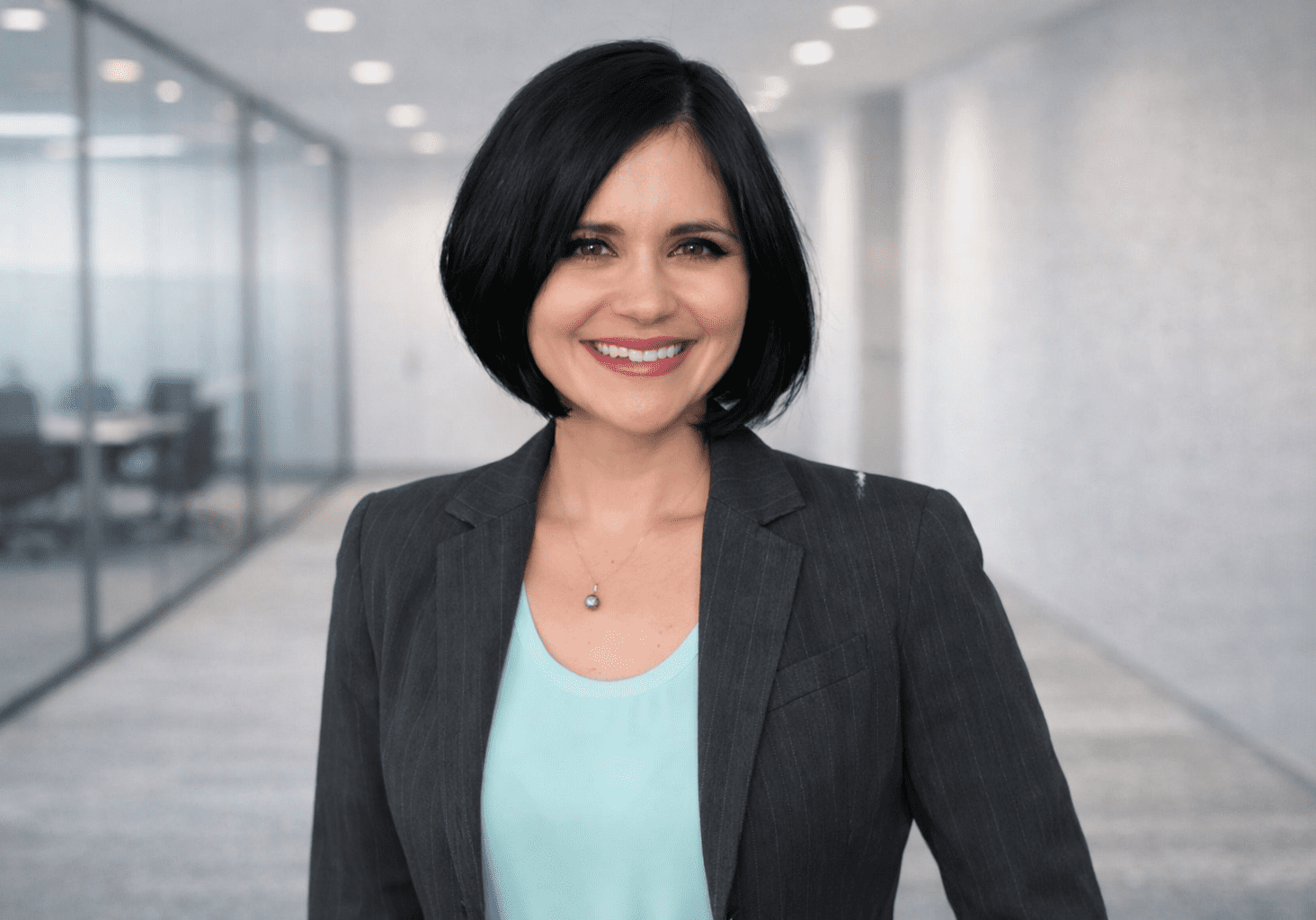
Michelle L. Roberts
ERISA Litigation Attorney
Get The Help You Need Today
LEAVE YOUR MESSAGE
We know how to get your insurance claim paid. Call today at:
(510) 230-2090

Attorney Advertising. This information is designed for general information only. The information presented should not be construed to be formal legal advice nor the formation of a lawyer/client relationship. Past results and testimonials are not a guarantee, warranty, or prediction of the outcome of your case, and should not be construed as such. Past results cannot guarantee future performance. Any result in a single case is not meant to create an expectation of similar results in future matters because each case involves many different factors, therefore, results will differ on a case-by-case basis. By providing contact information, users acknowledge and give explicit consent to be contacted via the methods of communication provided, including SMS. Message and data rates may apply. Message frequency may vary. Reply STOP to opt out.
NUVEW | Copyright 2026 All Rights Reserved | Accessibility Notice | Disclaimer | Privacy Policy | Cookie Policy